https://www.aincresing.com/the-evolving-american-dream-from-suburban-sprawl-to-shifting-realities/
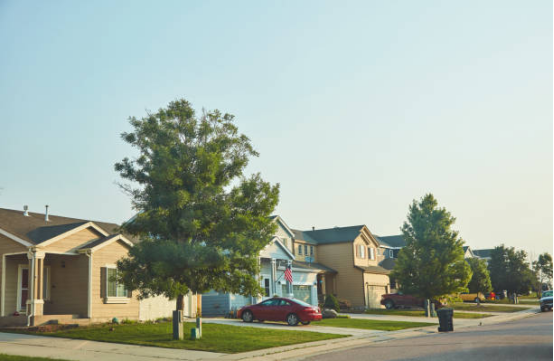
When many people think of American life, they likely first picture wide roads, neatly arranged neighborhoods, single-family homes surrounded by white fences, and children playing on lawns. These scenes not only epitomize everyday American life but are also deeply rooted in the so-called “American Dream.” Suburban living culture encompasses more than just a way of living; it also embodies unique American values of family, freedom, community, and self-realization. It is both a physical spatial design and a social and psychological manifestation, reflecting modern Americans’ pursuit of comfort, security, and a sense of belonging amidst urbanization.
1. Single-family homes and family ideals
The core symbol of the American suburbs is the single-family home. These homes typically feature front and back yards, garages, and private spaces, emphasizing family independence and comfort. In the mid-20th century, following the end of World War II, the US economy boomed. Veterans received home loans through the GI Bill, leading to a rapid rise in suburban housing construction. At this time, the single-family home became more than just a physical space; it became a symbol of the middle-class family’s pursuit of the “American Dream”—owning their own house, car, and spacious living space.
Single-family homes are designed to emphasize privacy and functional zoning: bedrooms, kitchens, living rooms, garages, and gardens are all separate, reflecting the importance Americans place on personal space and family life. In these homes, children can play freely on the lawn, parents can relax in the courtyard, and family interactions can occur naturally in a comfortable and private environment. Homes not only fulfill material needs but also reflect cultural psychology—emphasizing core family values, independence, and the potential for self-realization.
2. Commuter Culture: The Tension Between Freedom and Routine
Another hallmark of suburban life is the commuter culture. Many suburban residents enjoy the tranquility and space of their residential areas, but their workplaces are often located in the city center. The daily car commute has become a vital component of modern suburban life. Highways, parking lots, and public transportation form a network of daily activities, and this commuting pattern reflects the high value Americans place on the freedom to choose where to live and work.
While commuting offers flexibility in living and working, it also carries time and environmental costs. Many families spend an hour or more commuting daily, a lifestyle that reflects both a desire for privacy and the pressures of modern life. The commuting culture of American suburbs reflects a core contradiction: residents seek space and tranquility, but at the cost of time and energy.
3. Community Ecology: Neighborhood Interaction and Social Identity
Suburban living is not just about the connection between family and home; it also encompasses a unique community ecosystem. Neighborhoods are typically neatly planned, with wide streets and distances between homes. Communities are also equipped with parks, schools, and commercial facilities. This spatial layout encourages residents to live in a relatively safe and comfortable environment while fostering a sense of community.
Community life is sustained through neighborly interactions. Children playing in the neighborhood, families organizing barbecues, and residents participating in community committees or volunteering build a sense of community identity. Neighborhood safety, neighborly relationships, and community activities not only enhance quality of life but also strengthen social capital, enabling residents to feel a sense of belonging and connection despite physical isolation.
At the same time, the community ecology of American suburbs reflects cultural values: respect for privacy, emphasis on autonomy, and a focus on education and family well-being. In suburban areas, schools and community centers are central venues for social interaction; neighborhood watch and community activities allow people to build social connections within their private living spaces. This ecological structure embodies both individual freedom and collective responsibility, representing a spatial practice of the American cultural balance between freedom and order.
4. Modern Challenges and Evolution of Suburban Life
While suburban living was once considered a symbol of the “American Dream,” modern changes are challenging it. Rising real estate prices, traffic congestion, environmental pressures, and the uneven distribution of resources between urban and suburban areas have made suburban living no longer an accessible ideal. Furthermore, remote work, digital living, and the sharing economy are transforming traditional living and commuting patterns.
Some suburban communities are beginning to explore new layouts: increasing public transportation, building walkable neighborhoods, and promoting mixed-use housing to enhance convenience and sustainability. At the same time, social interaction within communities is also changing, with virtual communities and online neighborhood networks becoming new channels for residents to interact. These changes demonstrate that American suburban living culture is not a fixed pattern, but a dynamic system that continuously evolves with socioeconomic development.
5. The Cultural Significance of Suburban Life
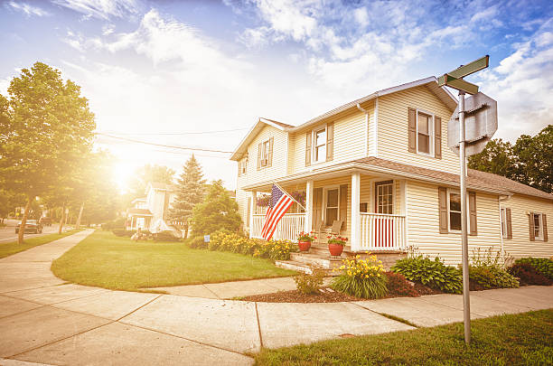
American suburban life is not just a physical space; it embodies social values. Single-family homes symbolize family ideals and self-realization; commuting culture reflects the freedom of choice and the dynamics of life; and community ecology showcases neighborly connections and social identity. Through this lifestyle, Americans express their cultural pursuit of comfort, security, autonomy, and belonging.
Suburban life has also shaped American social psychology: it reinforces core family values, respects personal space, encourages community involvement, and provides a daily setting for the realization of the “American Dream.” Against the backdrop of rapid globalization and urbanization, suburban living culture continues to embody the American philosophy of life in its unique form—striving for a balance between material convenience and emotional connection.
VI. Conclusion: The American Dream in Suburban Life
American suburban life is a cultural phenomenon intertwined with ideals and realities. White fences, green yards, wide streets, and community activities constitute the image of daily life, reflecting social psychology and values. It offers families privacy while providing a platform for neighborhood interaction; it enables the freedom of choice in living, yet also brings the reality of commuting stress.
As espoused by the “American Dream,” suburban life embodies the pursuit of self-fulfillment, family happiness, and social participation. Despite the changing times, suburban culture continues to evolve and adapt to social development, while also perpetuating Americans’ deep-seated pursuit of comfort, independence, and community. This culture not only shapes lifestyles but also serves as a crucial window into understanding the values of modern American society.
https://www.aincresing.com/the-evolving-american-dream-from-suburban-sprawl-to-shifting-realities/