https://www.aincresing.com/the-tapestry-of-american-identity-culture-cuisine-and-history/
The United States is one of the world’s largest immigrant-producing countries. This multicultural background has not only shaped American society but also profoundly influenced American eating habits. From thin-crust pizzas on the streets of New York to burritos on the corners of Los Angeles, American dining tables showcase the fusion and innovation of immigrant cultures. Immigrant cuisine not only satisfies taste buds but also carries the weight of identity, cultural memory, and social change. In the United States, foods from Italy and Mexico, such as pizza and burritos, have not only been adapted and localized, but have also become an integral part of American culinary culture.
1. Pizza: A Culinary Symbol for Italian Immigrants
Pizza was originally a simple meal for the poor in southern Italy. However, with the influx of Italian immigrants into the United States in the late 19th and early 20th centuries, it quickly took root in the US. Cities like New York, Chicago, and Boston became centers of pizza culture. New York pizza is known for its thin crust, folded over, while Chicago pizza has developed a thicker, cheese-based pie, each with its own distinct characteristics.
Pizza’s popularity in the United States is not only a result of taste adaptation but also a reflection of the cultural identity of Italian immigrants. In their early years, they relied on small pizza shops to maintain community ties and pass on cultural memories to the next generation. Over time, pizza has moved from immigrant communities to mainstream society, becoming an integral part of American families and fast food culture. Pizza’s localization is also evident: increased cheese, diverse toppings, and fast food chain-style adoption have ensured that pizza retains its original Italian characteristics while satisfying American preferences for taste, portion size, and convenience.
The popularity of pizza also reflects the inclusiveness of American culinary culture. It demonstrates how immigrant cultures have entered mainstream society through cuisine, influencing overall dietary trends. Pizza has become a shared food enjoyed across ethnicities and generations, symbolizing the successful integration of immigrant culture into American life.
2. Burritos: From street food to mainstream fast food
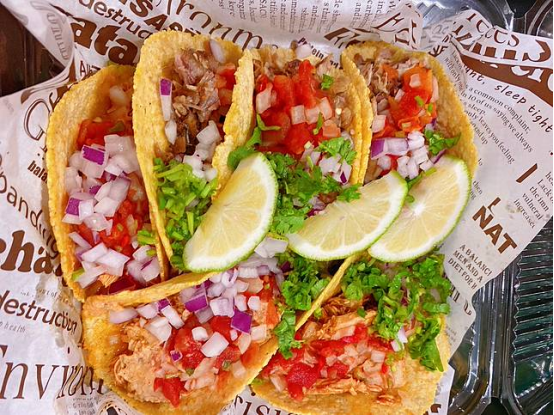
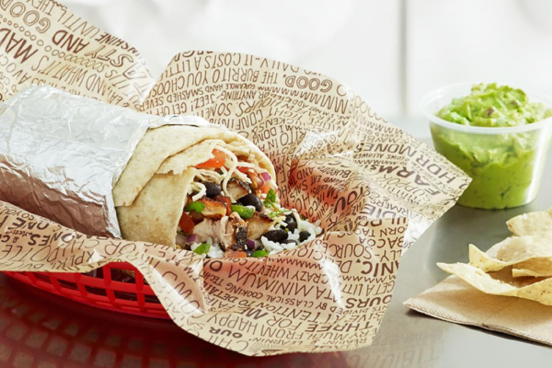
The burrito and its related foods, such as tacos and nachos, are important culinary symbols brought to the American Southwest by Mexican immigrants. In the early 20th century, Mexican immigrants opened small restaurants in California and Texas, offering traditional fare that was affordable, convenient, and nutritious. The burrito has gradually gained popularity in the United States, particularly in fast food culture, where it has been repackaged with standardized ingredients and Americanized flavors, resulting in styles like Tex-Mex, which emphasizes rich combinations of meat, cheese, and spicy sauce.
The popularity of the burrito has not only transformed Americans’ perceptions of fast food but also influenced their diet. It offers a convenient, portable meal ideal for busy urban life. Street vendors, fast food chains, and restaurants have helped localize Mexican food while retaining core elements like spicy flavors, corn, and beans, contributing to the diverse American diet.
The burrito has also become a vehicle for cultural identity. Latino communities maintain their cultural traditions through dining, while also offering American society a taste of alternative culinary aesthetics. It demonstrates how immigrants, through gustatory memories and interactions at the table, embed the soft power of culture into their daily lives.
3. Immigrant Cuisine and Diversified American Diet
Italian pizza and Mexican burritos are just a few of the most iconic examples of immigrant cuisine in the United States. With the migration and integration of different ethnic groups, Chinese cuisine, Indian curry, Vietnamese pho, and other cuisines have also flourished in the United States. These cuisines not only satisfy diverse tastes but also promote culinary innovation: pizza incorporates local ingredients, burritos incorporate American fast food concepts, and sushi and Mexican burritos combine to create creative street food.
This diversity reflects several characteristics of American culinary culture: first, inclusiveness, with mainstream society readily accepting and adapting foreign cuisine; second, innovation, with immigrant cuisine constantly innovating and developing unique flavors during the localization process; and third, sociality, with dining serving as a platform for community connection, identity building, and cultural exchange. Immigrant cuisine not only fills the stomach but also connects people of different ethnicities and generations, making food a crucial medium for social integration.
4. Commercialization of Cuisine and Cultural Communication
With the popularity of foods like pizza and burritos, immigrant cuisine has become a commercial industry. Restaurant chains, food delivery platforms, and grocery stores are all promoting the standardization and marketization of immigrant cuisine. For example, pizza chains like Pizza Hut and Domino’s have adapted Italian pizza to the American fast food model, while Taco Bell has transformed Mexican burritos into a global fast food product. Commercialization has made cuisine accessible to a wider audience, promoting cultural dissemination and consumer recognition.
However, the commercialization of cuisine has also sparked cultural debate. On the one hand, standardization and Americanization of flavors make traditional foods more accessible to the public; on the other hand, excessive adaptation can dilute the original cultural connotations. The evolution of pizza and burritos demonstrates the interplay between culture and the market—immigrant cuisines are both cultural symbols and economic resources in American society, constantly redefining their identities amidst the tide of commercialization.
5. The social significance of food culture
The popularity of immigrant cuisine in the United States is more than just a culinary delight; it also reflects social values and cultural significance. First, it strengthens cultural identity: immigrants use cuisine to maintain traditions while expressing their identities in their new society. Second, it promotes social integration: mainstream society accepts, adapts, and spreads immigrant cuisine, fostering cross-cultural exchange. Finally, it embodies creativity and diversity: culinary innovation has become a key source of vitality in American culinary culture.
The popularity of foods like pizza and burritos also reflects American society’s embrace of openness, diversity, and innovation. It reminds us that culture doesn’t have to be confined to boundaries; its true influence lies in its integration into everyday life, fostering a dialogue between tradition and modernity, and between indigenous and local cultures.
VI. Conclusion: Savoring Immigration History at the Table
From Italian pizza to Mexican burritos, the American dining table is a multicultural landscape. Every slice of pizza and every wrap carries the history, memories, and innovative spirit of immigrants. They not only shape modern American eating habits but also reflect society’s pursuit of tolerance, creativity, and identity.
In savoring these delicacies, people not only enjoy a culinary feast but also invisibly experience how immigrant culture shapes social life. The story of pizza and burritos epitomizes the integration of immigrant culture into the United States and vividly demonstrates the diversity of American cuisine. It reminds us that food is not only a way of survival but also a vital vehicle for cultural exchange, social integration, and historical memory.
https://www.aincresing.com/the-tapestry-of-american-identity-culture-cuisine-and-history/