https://www.aincresing.com/the-pillars-of-american-social-fabric-tradition-exchange-and-control/
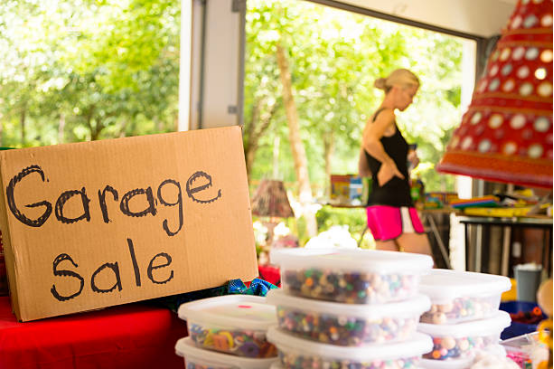
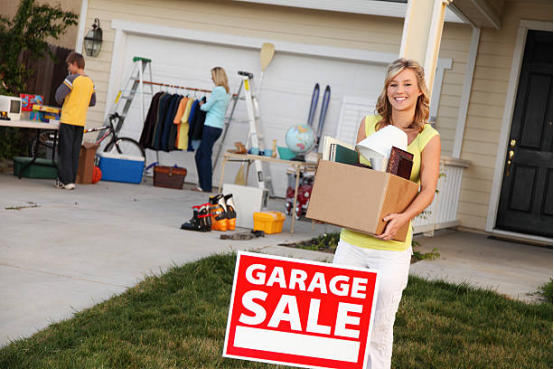
On American suburban streets, every weekend or holiday, one often sees this scene: the garage door of an ordinary home is open, filled with old furniture, books, toys, clothing, even vintage record players and antiques. A hand-painted sign reads “Garage Sale” or “Yard Sale” stands out front. Neighbors gather in groups of three or four to browse, chatting as they shop, creating a relaxed and lively atmosphere. The seemingly simple “garage sale” is actually a uniquely American cultural phenomenon—one that reflects Americans’ appreciation for frugal living, their respect for individual freedom, and the warm bonds that bind communities together.
1. From “garage cleaning” to the formation of cultural traditions
The “garage sale” wasn’t originally a deliberate cultural activity, but rather a practical necessity. In the early 20th century, the number of middle-class families in the United States grew rapidly, and so did the number of household items. With the widespread adoption of automobiles, suburban homes often came with garages or yards, creating a natural venue for “small, private secondhand markets.”
The earliest garage sales can be traced back to the 1940s and 1950s, after World War II. During this period, the American economy rapidly recovered, material goods were abundant, and household consumption continued to escalate. People regularly cleared out their homes, disposing of unused items by setting them up in yards or garages. This not only saved space and reduced waste, but also often provided practical value to others.
By the 1970s, with the rise of a “culture of thriftiness” and environmental awareness in the United States, garage sales had evolved from individual activities into a social trend. Newspapers often advertised “Yard Sales” or “Tag Sales,” and people drove to various neighborhoods to “shop.” This culture continues to this day, becoming not only a part of American family life but also shaping the American philosophy of “making the most of what you have.”
2. The Spirit of Frugality and the Embodiment of Personal Freedom
The American economy has long been dominated by the middle class, and frugality is a shared value within this group. Garage sales embody the American understanding of “rational consumption”—buying new is worse than using old, discarding is worse than reusing. This lifestyle attitude isn’t driven by poverty, but rather a voluntary choice, a respect for resources, and a wisdom in living.
At a garage sale, the value of an item no longer depends on brand or condition; instead, it’s the exchange between people that imbues it with new meaning. An old chair or a well-loved book could become a treasured possession for its next owner. This secondary circulation process extends the life of an item and reduces resource waste.
Garage sales also demonstrate Americans’ deep respect for individual freedom. Within the legal framework, anyone can spontaneously organize small-scale transactions without government approval. This form of “self-management and self-operation” embodies the American spirit of individual autonomy. It gives ordinary people the opportunity to participate in market activities and experience the joy of being a businessman.
On a deeper level, garage sales are a philosophy of life: they invite reflection on consumerism, reminding people that happiness doesn’t necessarily come from owning new things, but from sharing and connecting. This simple philosophy embodies the American cultural ideals of freedom, moderation, and independence.
3. A symbol of neighborhood communication and community cohesion
Beyond the economic benefits of a garage sale, the more important significance of the “community warmth” it fosters. In modern cities, where neighbors are increasingly disconnected, garage sales serve as a bridge to reconnect people.
Every weekend, as the sun streams down onto neighborhood streets, families set up tables and shelves outside their garages, and neighbors gather to browse for old finds and chat about their lives. These spontaneous interactions, unstructured and unplanned, often foster long-lasting friendships. For children, garage sales are more like a holiday, where they learn to buy their favorite toys with their spare change and learn how to communicate and bargain.
In many communities, garage sales are even organized into large-scale events—”Community Garage Sales” or “Neighborhood Sales”—with residents from the entire neighborhood participating simultaneously, creating a lively, market-like atmosphere. People not only sell goods but also exchange baked goods, give flowers, and share gardening tips. These events allow community members to build trust and emotional connections in a non-commercial environment, preserving the traditional value of neighborliness in modern society.
This power of community cohesion is deeply symbolic in American culture. It represents the lived practice of “grassroots democracy”: people participate in social life on an equal, friendly, and spontaneous basis, rather than relying on government or large institutions. It is in these micro-interactions that American community culture demonstrates its vitality and human touch.
4. Extension of Environmental Protection Concept and Sustainable Living
In the 21st century, the significance of garage sales has expanded, becoming increasingly intertwined with the concepts of environmental protection and sustainable living. Amid global concerns about climate change and resource waste, Americans are re-evaluating their consumption habits, promoting the environmental principles of “Reduce, Reuse, Recycle.” Garage sales are a concrete example of this philosophy.
Every secondhand transaction is a reuse of resources. Old furniture is saved from being discarded, old clothes are worn again, and old books continue to pass on knowledge to new readers. Unlike the “fast consumption” model of large shopping malls, garage sales promote a slower pace of life—one that values use value over market price, and sharing over possession.
The influence of this lifestyle extends to the digital age. Today, many Americans have extended the spirit of the garage sale to online platforms like Craigslist, Facebook Marketplace, and OfferUp, turning “virtual garages” into modern urban secondhand markets. While the format has changed, the cultural core of thriftiness, freedom, and mutual assistance remains unchanged.
5. The American Spirit Behind Garage Sales
Garage sales are not just an economic activity, but also a mirror reflecting American culture. They combine personal freedom, social equality and the virtue of thriftiness, showing how Americans practice “free economy” and “warm community” in their daily lives.
First, it reflects the American value of autonomy. Every household can participate in transactions according to their own will. This decentralized market model epitomizes the American economic spirit at the grassroots level. Second, it demonstrates equality among people—at a garage sale, there’s no hierarchy, only fair trade. Regardless of buyer or seller, trust is built through relaxed exchanges. This relationship of equality and mutual support is a core value of American society.
Garage sales also hold a unique romance. They allow people to discover history and stories within old objects—a ceramic mug might bear witness to a marriage, an old photograph might capture the life of a certain era. These forgotten artifacts constitute the collective memory of ordinary American life.
VI. Conclusion: Discovering the warmth of life in old things
A “Garage Sale” is not only a way to clean up space, but also a way of life. It allows Americans to rediscover connections between people in the busy and consumerist modern society and gives every old item new life.
On those ordinary weekend mornings, as the sun shines on the old items in front of the garage, the laughter and conversation merge into the warmest melody in the community. Perhaps it is these seemingly insignificant interactions that constitute the truest cultural texture of American society. Between freedom and thrift, through trade and exchange, garage sales continue the poetry of life and protect the simplest and most sincere warmth between people.
https://www.aincresing.com/the-pillars-of-american-social-fabric-tradition-exchange-and-control/