https://www.aincresing.com/the-american-revolution-and-the-declaration-of-independence-foundations-of-liberty/
The Declaration of Independence is one of the most important documents in American history. It not only marked the birth of a new nation but also articulated the fundamental principles of freedom and equality that continue to shape American society. This document, adopted on July 4, 1776, has become a symbol of liberty and a powerful statement of human rights. Let’s delve into the history, the drafting process, and the significance of this monumental document.
The Road to Independence
The Growing Tensions
The roots of the American Revolution can be traced back to the mid-18th century when the American colonies began to chafe under British rule. The British government imposed a series of taxes on the colonies to help pay for the costs of the French and Indian War (1754-1763). These taxes, such as the Stamp Act (1765) and the Townshend Acts (1767), were met with widespread resistance from the colonists. The slogan “No taxation without representation” became a rallying cry for those who opposed British authority.
The First Continental Congress
In 1774, representatives from twelve of the thirteen colonies met in Philadelphia for the First Continental Congress. They sought to address grievances and find a peaceful resolution with Britain. However, negotiations failed, and tensions continued to escalate. The following year, in April 1775, the first shots of the Revolutionary War were fired at Lexington and Concord, marking the beginning of the military conflict.
The Second Continental Congress
In May 1775, the Second Continental Congress convened in Philadelphia. This time, the delegates were tasked with organizing the war effort and managing the colonies’ affairs. As the war progressed, it became increasingly clear that a formal declaration of independence was necessary. In June 1776, a committee was formed to draft such a document. The committee consisted of John Adams, Benjamin Franklin, Thomas Jefferson, Roger Sherman, and Robert R. Livingston. Thomas Jefferson was chosen to write the first draft.

The Drafting Process
Jefferson’s Draft
Thomas Jefferson, a young and eloquent delegate from Virginia, was given the task of drafting the Declaration. He worked diligently over the course of about two weeks, drawing inspiration from Enlightenment philosophy and previous documents such as the English Bill of Rights and Virginia’s Declaration of Rights. Jefferson’s draft emphasized the natural rights of individuals and the right of people to overthrow a government that fails to protect those rights.
The Committee’s Review
After Jefferson completed his draft, it was reviewed by the committee. Benjamin Franklin and John Adams made some minor edits and suggested a few changes to improve clarity and readability. The document was then presented to the full Congress on June 28, 1776.
The Final Debate and Adoption
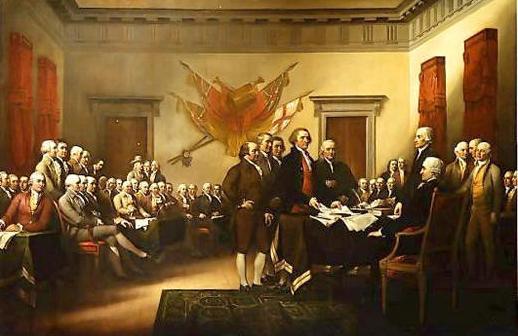
The Declaration was debated vigorously in Congress. Some delegates were concerned about the language and the implications of declaring independence. However, the majority recognized the necessity of such a bold step. On July 2, 1776, Congress voted to declare independence from Great Britain. The document was officially adopted on July 4, 1776. This date has since been celebrated as Independence Day in the United States.
The Significance of the Declaration
A Statement of Principles
The Declaration of Independence is more than just a historical document; it is a profound statement of political philosophy. It asserts that all people are created equal and have certain unalienable rights, including life, liberty, and the pursuit of happiness. These principles have become the cornerstone of American democracy and have inspired countless movements for freedom and equality around the world.
A Call to Action
The Declaration was also a call to action. It rallied the American people to fight for their independence and inspired other nations to support their cause. The document’s powerful language and clear articulation of grievances helped to galvanize public opinion and unify the colonies in their struggle against British rule.
A Blueprint for Governance
In addition to its philosophical and inspirational significance, the Declaration of Independence also served as a blueprint for governance. It outlined the reasons for breaking away from Britain and set the stage for the creation of a new government based on democratic principles. The ideas expressed in the Declaration influenced the drafting of the United States Constitution and the Bill of Rights.
The Legacy of the Declaration
Shaping American Identity
The Declaration of Independence has played a crucial role in shaping American identity. It has become a symbol of national pride and a reminder of the values that define the country. The principles of freedom, equality, and self-governance are deeply ingrained in American culture and continue to influence political discourse and social movements.
Inspiring Movements for Change
The Declaration has also inspired numerous movements for change both within the United States and around the world. It has been invoked by advocates for civil rights, women’s suffrage, and other causes. The document’s emphasis on the right to revolution has encouraged people to challenge unjust systems and strive for a more just and equitable society.
A Global Influence
The ideas expressed in the Declaration of Independence have had a profound impact on global politics. The document’s assertion of human rights and the right to self-determination has influenced the development of international law and human rights movements. It has inspired other nations to seek independence and to establish democratic governments.
Conclusion
The Declaration of Independence is a testament to the enduring power of ideas and the human spirit. It represents a pivotal moment in history when a group of determined individuals chose to stand up for their rights and to create a new nation based on the principles of freedom and equality. This document continues to inspire and challenge us today, reminding us of the importance of safeguarding our liberties and striving for a more just world. As we celebrate Independence Day, let us reflect on the significance of the Declaration and the ongoing struggle to realize its ideals.
https://www.aincresing.com/the-american-revolution-and-the-declaration-of-independence-foundations-of-liberty/